

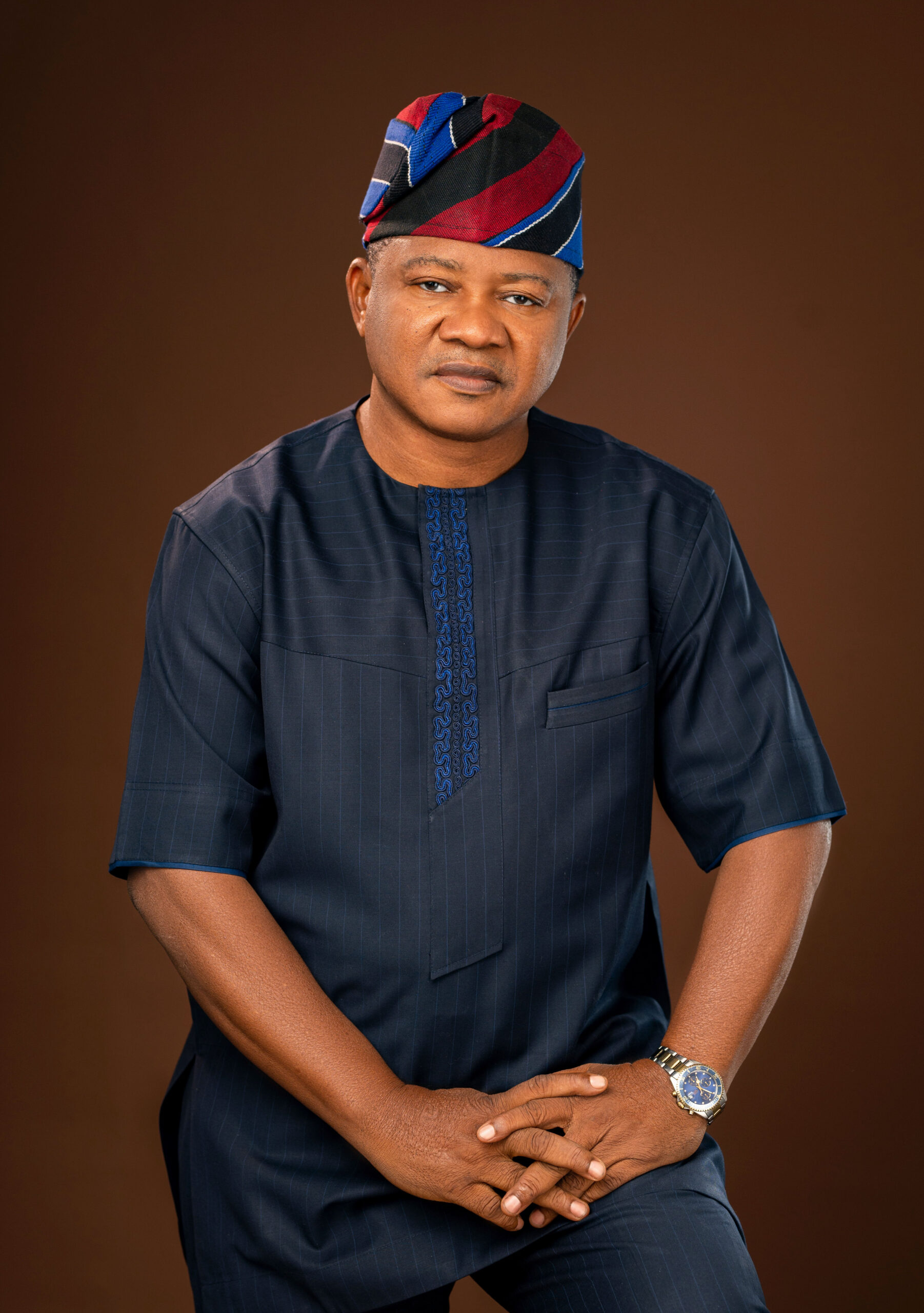


About political journey
who are the powers that brought me into political power?
There was no display of grand power, so to speak. As I’ve always said, my life’s desire has been to make a meaningful impact—especially on the less privileged. This commitment is not just a sentiment, but something I’ve demonstrated through my actions. Many of you know we come from humble beginnings. I hail from a place where there’s little to nothing—specifically from the Idoma people of Otukpo, Zone C. My mother is from Igede, while my father is from Otukpo. These roots have shaped who I am and the values I uphold."
Would you like this adjusted for a formal speech, media article, or campaign narrative?
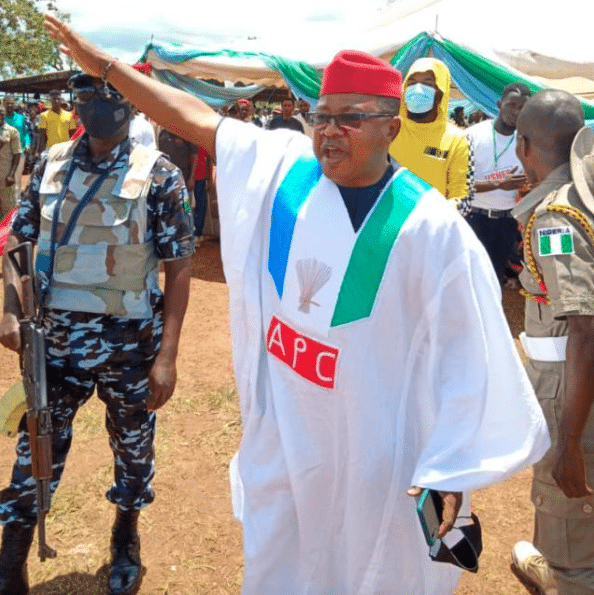
How I Exposed The Secrete
I helped them see that representation goes far beyond the title—it’s about bringing visible and lasting change.
What I’m trying to convey is that there was no political machinery or established power bloc that propelled me into leadership. My journey was not engineered by any collective influence—it was born out of the goodwill of the people and their belief in my track record of service and generosity.
For many in my community, politics was seen as the only practical route to bring about real development. People often say, “If we want someone to do good for the people, let’s support the one who already gives, even without position.” It was on the strength of this belief—and the consistent acts of kindness they had seen from me—that they began urging me to consider public office.
In fact, long before I ever contested for any position, I was approached multiple times by well-meaning individuals and groups encouraging me to run for office. Initially, they suggested I contest for the chairmanship of our local government council. At the time, especially during the military era, the local government chairman was the highest and most visible political authority known to the people. It was the only office that held meaningful influence in the eyes of the community.
Positions like Member of the House of Representatives were largely unknown in terms of direct constituency impact. It wasn’t until I eventually got elected into the National Assembly and began executing tangible projects that people began to realize the true potential of such positions. I helped them see that representation goes far beyond the title—it’s about bringing visible and lasting change.
My Success Story
A New Dawn in Benue South Politics: My Journey into Leadership: The political atmosphere during the 2006–2007 election season marked a turning point in Nigeria’s democratic evolution. It was the early days of the Fourth Republic, and politics was becoming increasingly competitive. Amid this transition, I found myself drawn not by power or ambition, but by purpose and principle.
At that time, Alhaji Usman Abubakar—fondly known as Young Alhaji—was the prominent opposition figure in Benue South. A man I hold in the highest regard, Young Alhaji was the political face of the All Nigeria Peoples Party (ANPP), leading with conviction, philanthropy, and vision. While the People’s Democratic Party (PDP), under the influential leadership of Senator David Mark, was the dominant force, my ideological alignment and belief in people-centered leadership drew me to the opposition.
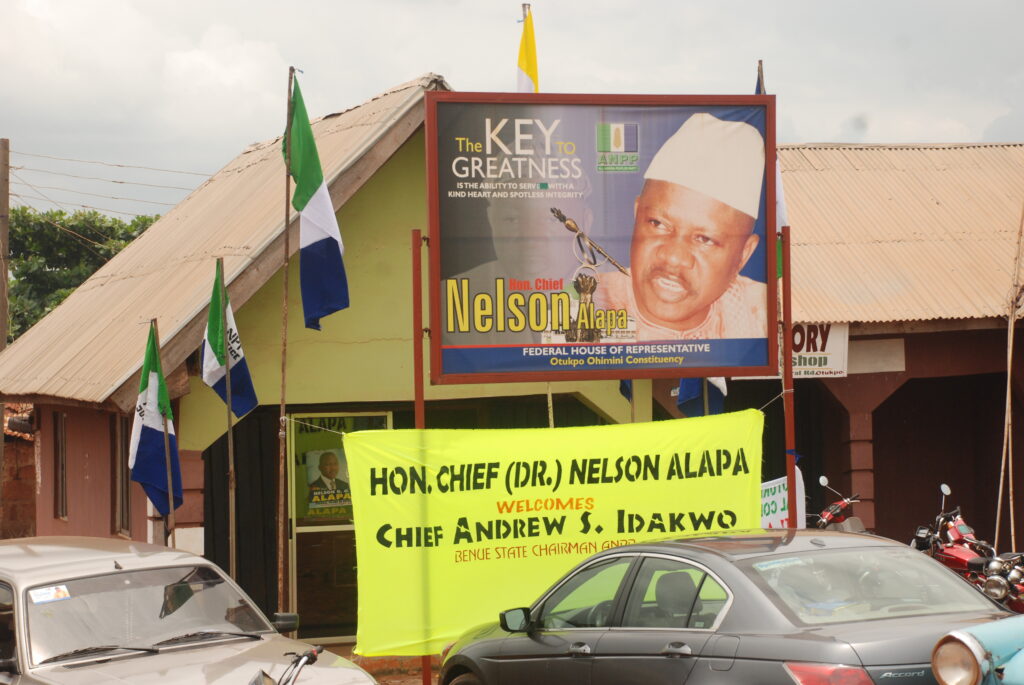
Young Alhaji recognized in me a vibrant individual—one with a track record of service, philanthropy, and grassroots impact. Our philosophies aligned: service above self, and leadership rooted in compassion and accountability. He embraced me, not merely as a political ally, but as a partner in the struggle to redefine governance in our zone.
When he declared his intention to run for Senate, I, too, decided to enter the race—contesting for a seat in the House of Representatives under the same party, the ANPP. Unfortunately, while Young Alhaji’s senatorial bid faced political obstruction, I emerged victorious against all odds. Despite attempts to suppress our movement, my mandate stood firm, symbolizing a new era of responsive leadership in the Benue South Senatorial District.
Though he didn’t win the Senate seat, Young Alhaji remained the moral and political leader of our party. His resilience and loyalty inspired many of us to press forward. It was under this pressure and encouragement that I bowed to the will of the people and contested—an act that would eventually redefine the meaning of political representation in our region.
Upon my inauguration in 2007, I resolved not to conform to the prevailing culture of passive representation. Until then, political office was more about loyalty to those in power than actual delivery of services. I chose to be different. I brought into politics what I had practiced as a philanthropist—visible and impactful service. I pioneered what is now popularly known as empowerment.
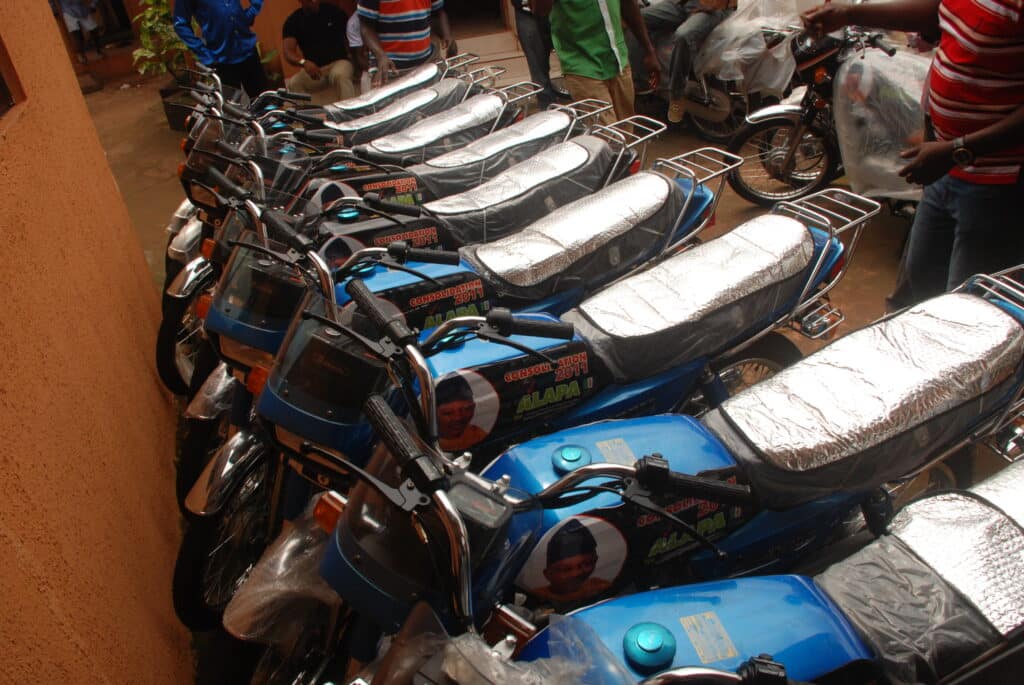
From building schools and health centers, providing clean water, and electrifying communities to distributing vehicles, supporting widows, and donating wheelchairs to those with disabilities—I turned representation into real development. I proved that a member of the House of Representatives could be an active vehicle of transformation.
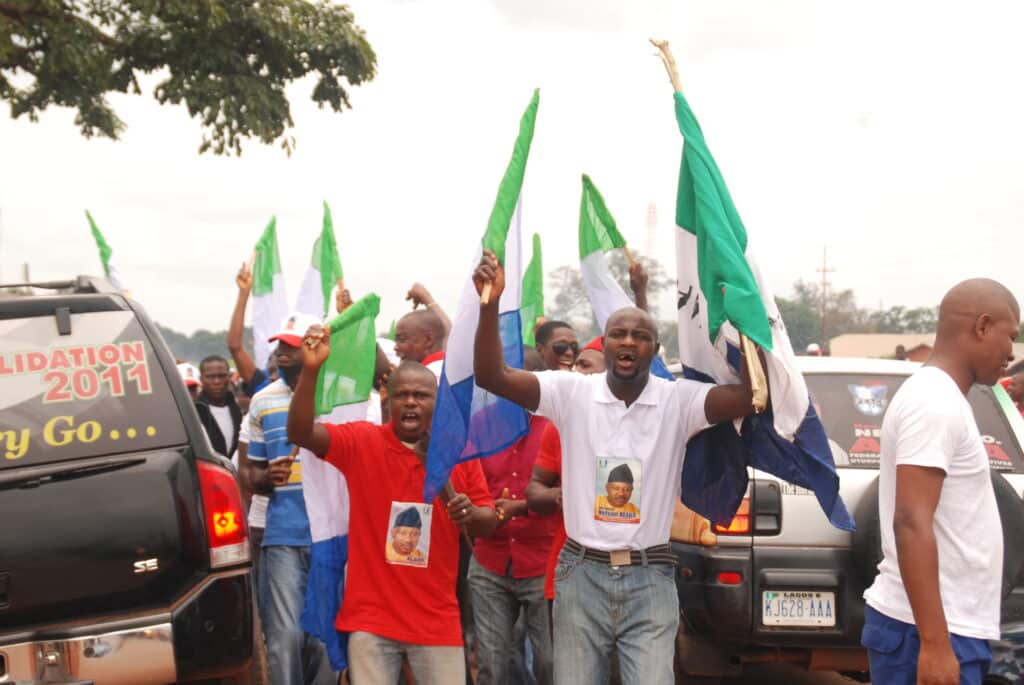
This approach unsettled the old political order. My re-election became fiercely contested, as opponents feared the precedent I had set—one of transparency, accountability, and direct engagement with the people. But the legacy had already taken root.
Many of the empowerment programs seen today across the country trace their inspiration to the foundation I laid in 2007. What was once viewed as impossible from a federal legislator became a new standard of leadership.
In truth, my journey into politics wasn’t about ambition—it was about expanding the scale of impact. I wanted a public platform that would allow me to do more than I could as a private individual. Today, I remain proud of that decision. It was the beginning of a legacy that redefined leadership and brought the dividends of democracy directly to the doorsteps of the people.
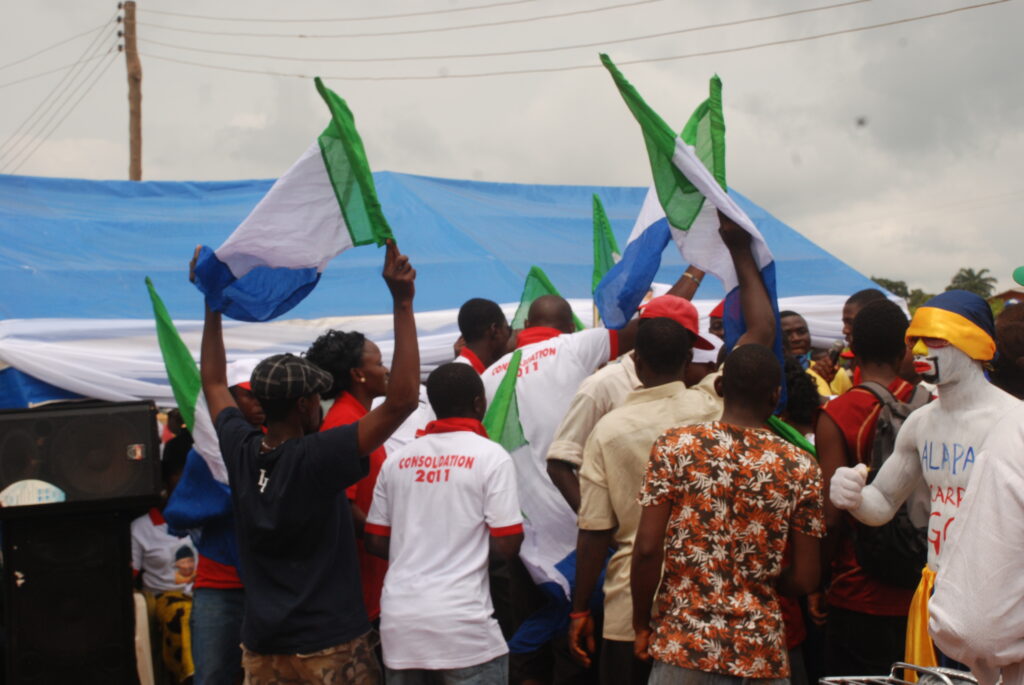
The so-called “offense” I committed was daring to enter the House of Representatives and redefining what true leadership and representation should be. I introduced a new order—one rooted in accountability, service delivery, and a deep commitment to the people. To me, representation was never about occupying a seat; it was about returning the dividends of democracy to those who entrusted you with their mandate.
However, this approach disrupted the status quo. Those benefiting from the old political order felt threatened by a new model of leadership that prioritized people over power. They conspired and deployed every means available—not through the will of the people, but through manipulation—to deny me re-election.
Let it be clear: I never lost any election. I was rigged out. The ruling party at the time, the PDP, wielded vast political machinery and influence. For someone like me—running under the platform of the opposition—to win an election in a zone dominated by the then Senate President was seen as political heresy. But it happened, and it happened through the extraordinary grace of God, relentless hard work, and the unwavering support of my people.
My victory was proof that with integrity and commitment, even the most entrenched powers could be challenged. But those in authority did not see the good I was doing as a legacy to be emulated—they saw it as an affront to their dominance. And so, I was denied the opportunity to return and build upon the foundation I had laid.
I faced threats, intimidation, and political sabotage. But through it all, I remained steadfast, clean-handed, and anchored in faith. By God’s grace, I am here today to tell this story—not as a victim, but as a testimony to the power of purpose-driven leadership. Though they denied me the platform, they could not erase the legacy I left behind: a blueprint of representation that puts the people first.